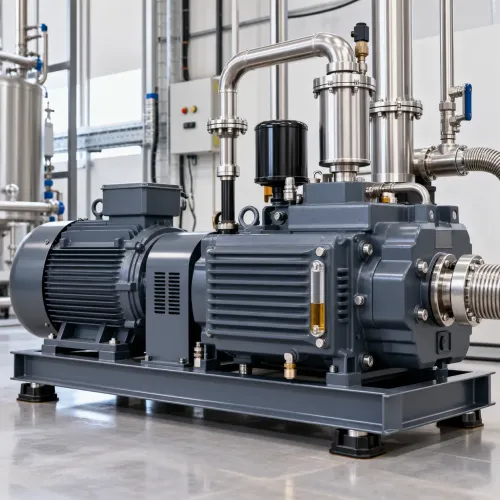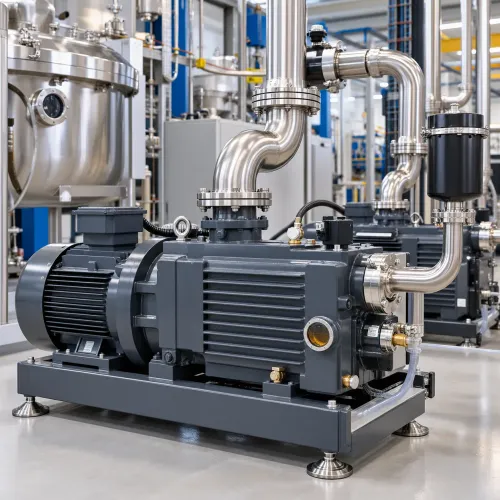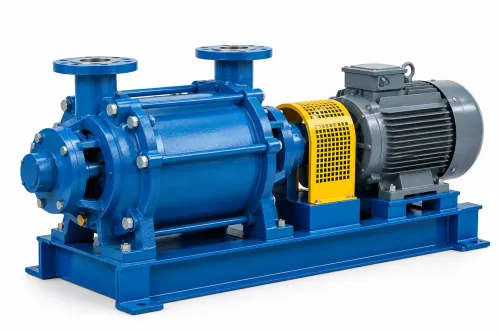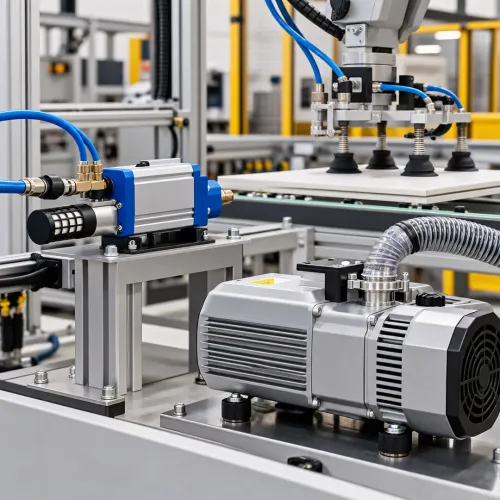
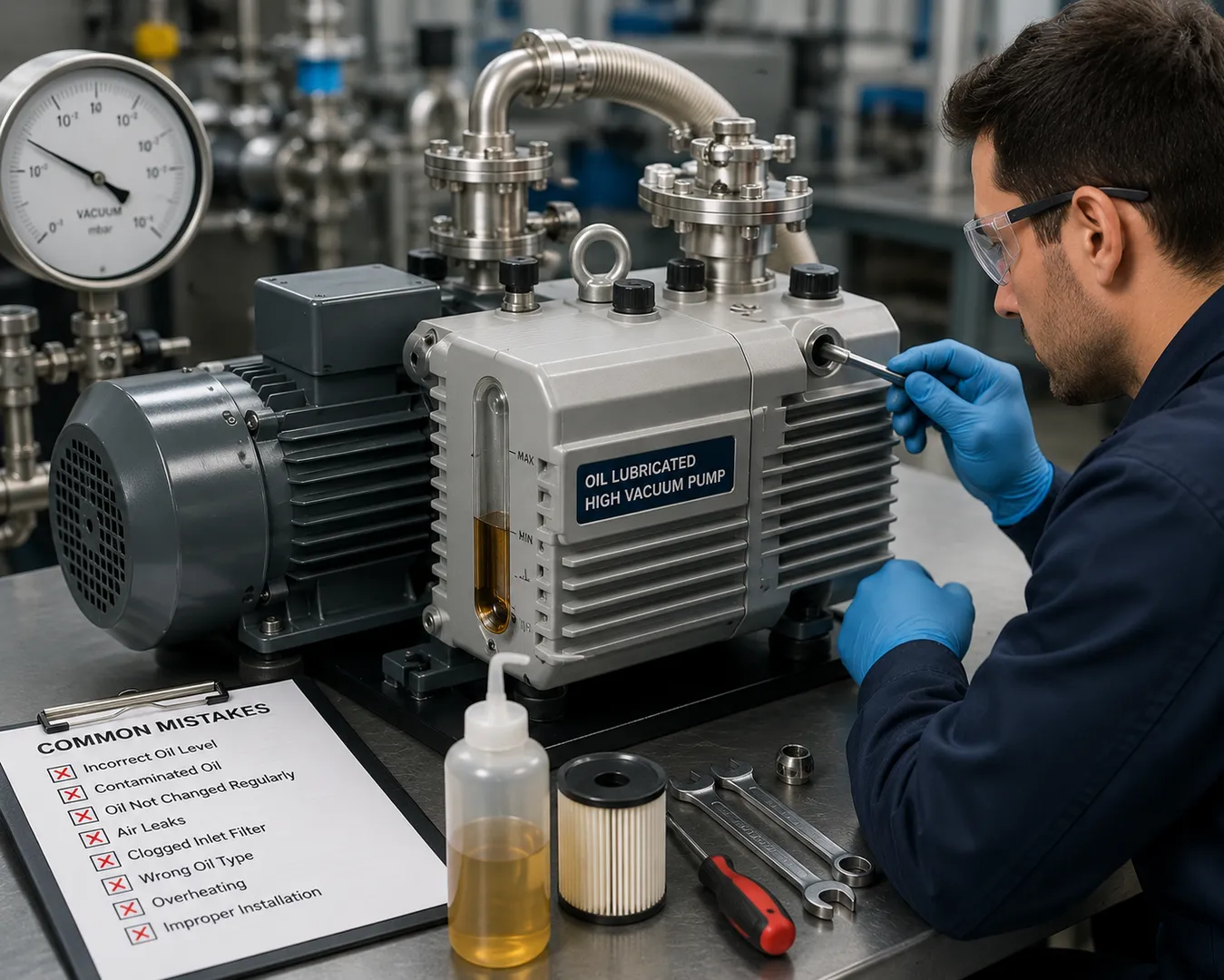
When a process needs deeper vacuum, simply installing a larger pump does not guarantee better results. Oil lubricated high vacuum pumps depend on the condition of the complete system around them, including piping, seals, oil, filtration, temperature, and operating procedure.
For maintenance teams troubleshooting weak vacuum, several common mistakes are worth checking before concluding that the pump has lost capacity.
Mistake 1: Treating Ultimate Vacuum as the Operating Vacuum
Ultimate vacuum is typically a performance limit achieved under specified conditions.
Your production process may operate at a different pressure while gas continues entering the system.
Selecting equipment solely because it has a lower stated ultimate pressure can therefore be misleading.
Engineers should determine the required pumping speed at the actual operating pressure.
Mistake 2: Ignoring Small Leaks
Leaks become increasingly important as deeper vacuum is required.
Air can enter through:
- Flanges
- Hose connections
- Valve seals
- Chamber doors
- Instrument fittings
- Gaskets
- Process fixtures
A leak that appears physically small may still prevent the system from reaching its intended pressure.
Leak testing should therefore be part of troubleshooting.
Mistake 3: Using Unsuitable Vacuum Piping
Vacuum piping is not merely a connection between pump and process.
Long, narrow, or highly restrictive piping can reduce effective pumping speed at the chamber.
Where practical, the pump should be installed with appropriately sized piping and unnecessary restrictions kept to a minimum.
A powerful pump connected through poor pipework may perform like a much smaller system.
Mistake 4: Neglecting Oil Condition
In oil-lubricated technology, oil condition matters.
Contamination, degradation, or unsuitable oil can influence sealing, lubrication, and vacuum performance.
Maintenance teams should inspect oil condition according to the recommended service schedule and investigate unusual contamination.
If fresh oil becomes contaminated quickly, the process itself may be introducing moisture or other material into the pump.
Mistake 5: Allowing Filters to Become Restricted
Filters protect equipment, but a clogged filter becomes a restriction.
Vacuum performance can gradually decline as contamination accumulates. Because the deterioration may be slow, operators sometimes compensate by extending cycle time rather than recognising the underlying issue.
Filter inspection should be incorporated into preventive maintenance.
Mistake 6: Overlooking Operating Temperature
Temperature affects equipment reliability and can influence vacuum system behaviour.
Poor ventilation, blocked cooling passages, high ambient temperature, or unsuitable installation clearance can contribute to excessive heat.
Faridabad and Haryana experience demanding summer conditions, making equipment ventilation particularly relevant for factories without tightly controlled ambient environments.
Mistake 7: Assuming a Bigger Pump Fixes Everything
Oversizing is not a substitute for correcting system problems.
If leakage, contamination, or restrictive piping is the real issue, a larger pump may increase power consumption while leaving the root cause unresolved.
Before increasing capacity, measure actual operating conditions.
A Better Troubleshooting Sequence
When high vacuum performance declines, follow a systematic approach:
- Confirm the pressure reading and instrument condition.
- Check the process for unexpected gas load.
- Inspect obvious leakage points.
- Examine filters and piping restrictions.
- Check oil level and condition.
- Verify operating temperature and ventilation.
- Compare current pump behaviour with normal baseline performance.
This sequence helps separate pump problems from system problems.
Replacement Should Follow Diagnosis
If inspection confirms that the pump is worn, incorrectly sized, or no longer suitable for current production, replacement may be justified.
But replacement specifications should reflect the present process rather than simply copying an old pump selection.
Production may have changed since the equipment was originally installed.
Kalbro Vacumatics manufactures industrial vacuum equipment and serves industrial requirements where pump performance must be matched to process conditions.
For factories in Faridabad and across Haryana evaluating oil lubricated high vacuum pumps, useful technical information includes chamber volume, required pressure, evacuation time, process gas conditions, operating hours, and existing piping.
High vacuum performance comes from the system working as a whole. Good pump selection matters, but so do leak control, clean piping, suitable oil, proper filtration, and disciplined maintenance.
Keywords