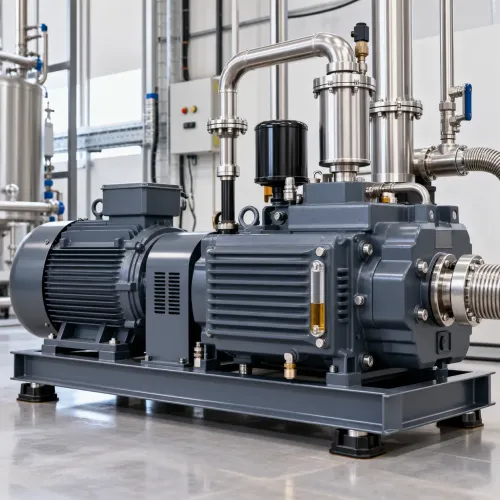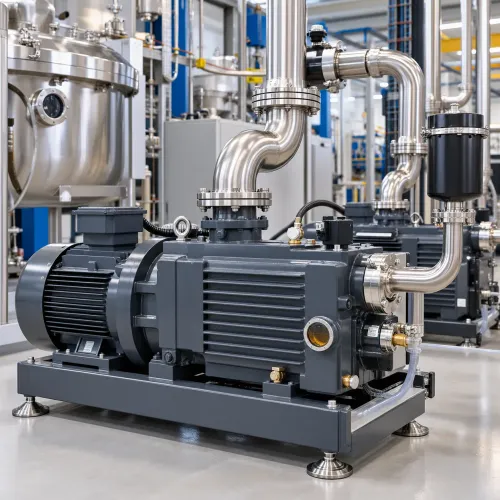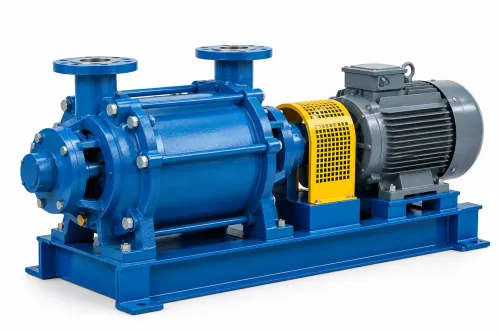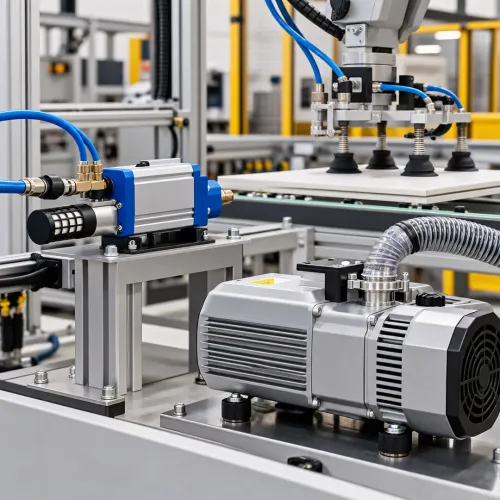
Selecting a specific pump model should begin with the process, not the model name. If your engineering or procurement team is evaluating a KB-530 Vacuum Pump, the first task is to confirm whether its operating characteristics align with the machine where it will be installed.
This approach is especially important for OEMs, replacement projects, and production plants where an incorrect pump can affect cycle time and machine reliability.
Begin With the Machine Function
What role does vacuum play in the equipment?
Is it holding a workpiece? Evacuating a chamber? Moving material? Supporting packaging? Providing suction for an automated process?
Write down the function in practical terms.
For example, 'vacuum required for a CNC machine' is less useful than 'vacuum used to hold non-porous components on a fixture continuously for an eight-hour shift.'
The second description provides engineering context.
Establish the Required Vacuum
Determine the normal operating vacuum rather than relying only on the deepest possible vacuum.
If the existing machine has a pressure gauge, record readings during normal production.
For new machinery, the required holding force, process pressure, or chamber evacuation target should be established during design.
Determine Airflow Demand
Airflow demand depends heavily on leakage.
A sealed chamber may require high initial evacuation capacity but relatively low flow once the target pressure is reached.
A porous holding surface can behave in the opposite way, continuously allowing air into the system.
This distinction matters when assessing whether a KB-530 or any other pump model is suitable.
Calculate the Duty Cycle
Operating time affects selection and installation.
Ask:
- How many hours does the machine run daily?
- Is vacuum continuous?
- How frequently does the pump start?
- Does demand change between products?
- Is the plant operating one, two, or three shifts?
Equipment expected to operate throughout production should be evaluated differently from a pump used for short intermittent cycles.
Check the Incoming Air
Vacuum pumps rarely operate in perfectly controlled conditions.
Manufacturing processes may introduce:
- Dust
- Fine particles
- Moisture
- Fibres
- Vapours
- Elevated gas temperature
The pump and any inlet protection should be selected with these conditions in mind.
If an existing installation has experienced frequent maintenance problems, identifying contamination sources before installing replacement equipment can prevent the same issue from recurring.
Review the Installation Layout
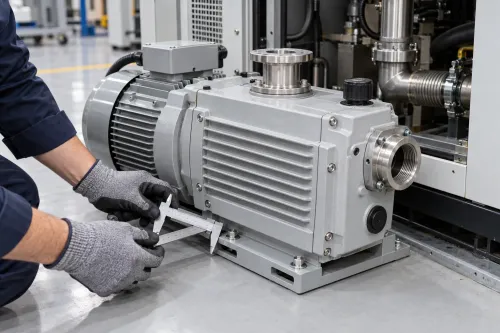
Measure the installation area carefully.
Consider not only whether the pump physically fits but also whether there is sufficient space for ventilation, piping, electrical connections, and maintenance.
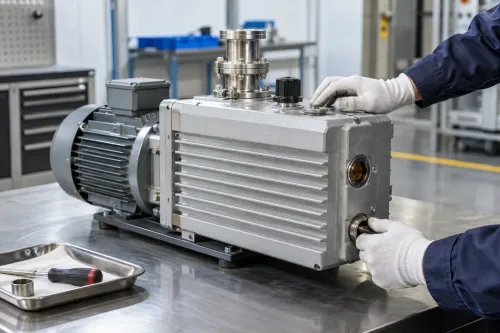
OEM designers should leave access to routine service components.
A tightly packed machine may look compact, but poor service access increases maintenance time throughout the machine's life.
Check the Vacuum Line
The pump may be correctly sized while the pipework prevents it from delivering the expected performance.
Look for:
- Excessively small pipe diameter
- Long hose runs
- Multiple sharp bends
- Blocked filters
- Collapsing flexible hose
- Air leakage
- Unnecessary restrictions
Where cycle time is important, piping design deserves particular attention.
Prepare a Useful Technical Enquiry
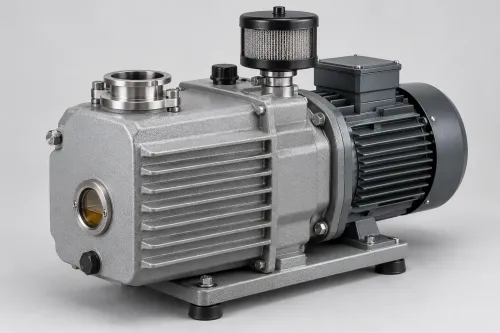
Rather than asking only for the price of a KB-530 Vacuum Pump, provide the application information needed to assess suitability.
A useful enquiry can include:
- Machine or process type
- Required vacuum
- Required airflow or evacuation time
- Operating hours
- Process gas condition
- Existing pump details if replacing equipment
- Available power supply
- Installation constraints
This reduces back-and-forth and allows technical suitability to be considered alongside commercial factors.
Selecting Equipment in Faridabad
Machine builders and factories in Faridabad, Haryana, often need vacuum equipment for new machinery as well as replacement and capacity-expansion projects.
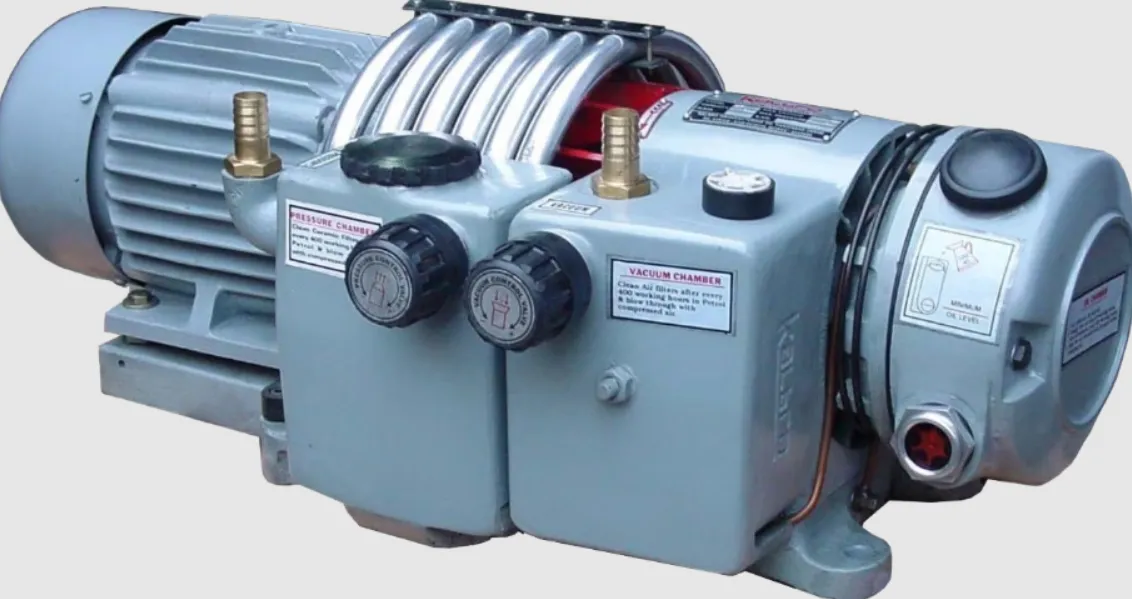
Kalbro Vacumatics manufactures the KB-530 Vacuum Pump within its industrial vacuum equipment range. Buyers evaluating the model should confirm current technical specifications directly against their application requirements rather than making assumptions based on model designation alone.
The final selection should account for process performance, installation, operating environment, maintenance, and expected duty.
For industrial procurement, this approach is more reliable than purchasing on price alone. A pump that matches the real operating requirement can support consistent machine performance while reducing the risk of expensive modifications after installation.
Keywords