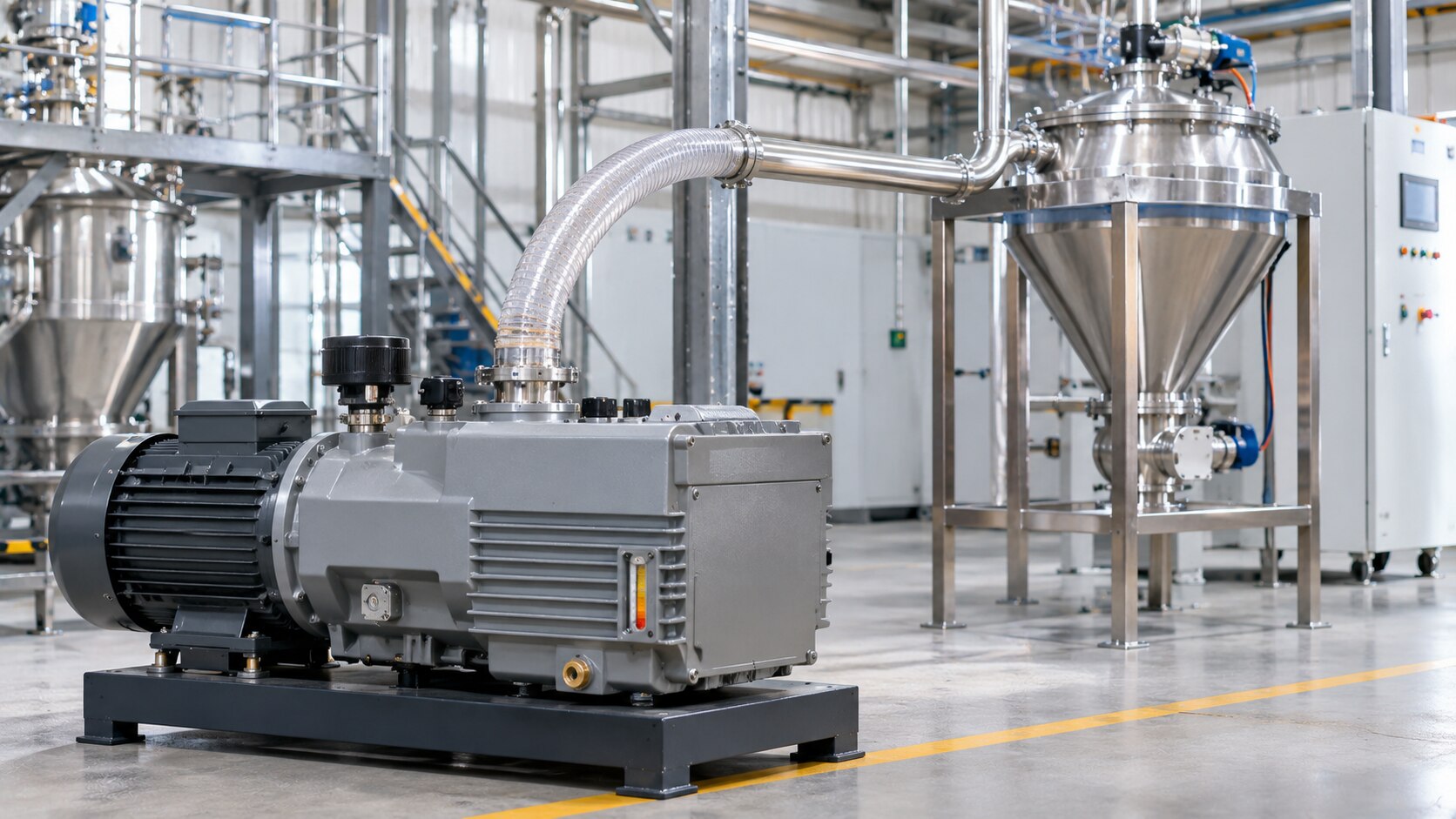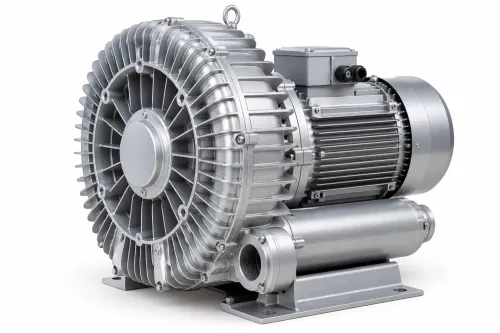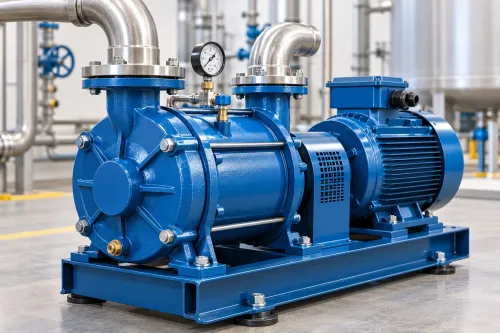
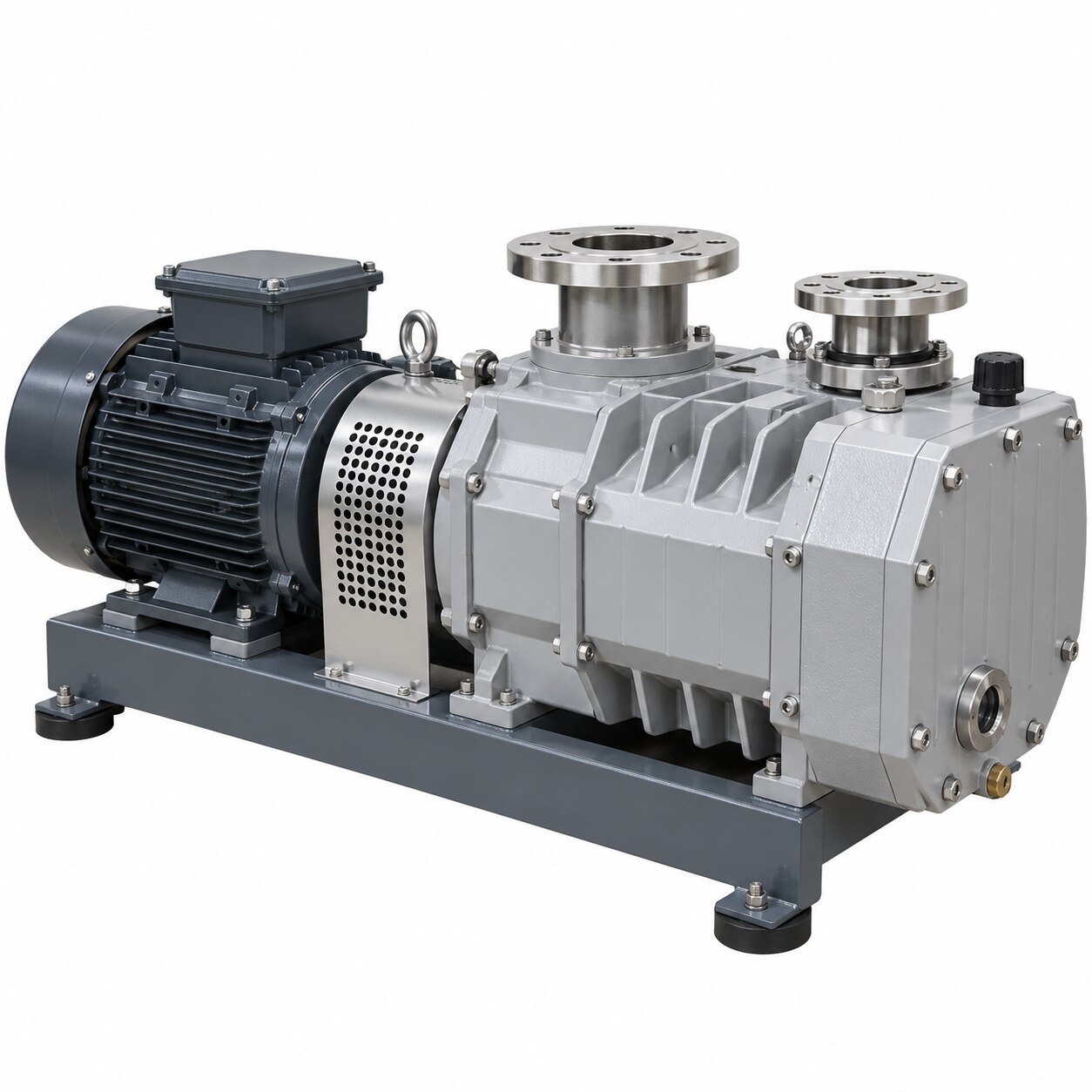
A pump that reaches its ultimate vacuum in a catalogue may lose delivered flow, trip on temperature, or suffer shortened bearing and motor life in a 45–47°C plant room. You will be able to specify the required capacity, cooling arrangement, protection features, filtration and summer-duty evidence before comparing models.
Key takeaways
- Set 40°C ambient as the minimum summer design boundary.
- Size the pump for ultimate pressure, flow, altitude and operating hours.
- Specify motor, enclosure and cooling limits before ordering.
- Use filtration, separators and ventilation to control dust and condensables.
Set the summer design boundary before comparing pumps
Set 40°C ambient as the design boundary for dry vacuum pump choices for summer operations in Faridabad unless the selected datasheet explicitly permits a higher temperature.
A pump rated for 5–40°C cannot be assumed to deliver catalog performance during a 45–47°C heatwave: motor protection, winding temperature and bearing life can become limiting factors before ultimate pressure does.
1. Specify a 24-hour duty at the maximum site ambient, altitude, inlet-gas temperature, humidity, dust level and voltage variation. Ask for delivered pumping speed at the operating pressure, not only the nameplate capacity.
2. Require alarm and trip values for motor temperature, bearing temperature where monitored, discharge temperature and filter differential pressure. Without these figures, two pumps with identical nominal capacity can have very different usable summer performance.
3. Check the room layout. An air-cooled pump needs fresh cooling air, while recirculated exhaust air quickly raises inlet temperature; restricted ventilation may require forced extraction or ducting.
Dust-loaded filters reduce airflow and increase motor load. Monsoon humidity adds condensable moisture and contamination risks, especially after shutdowns. A dry scroll pump suits clean, low-capacity service only after you confirm tip-seal life and allowable particulate loading.
For industrial vacuum pump heat conditions in Haryana, compare air conditioning, forced ventilation and water cooling using heat rejection, available water quality and maintenance cost. Air conditioning is not automatically cheaper for a large pump room. Require the summer duty in writing, including heatwave operation.
Match pump type and capacity to the real process duty
Size the pump from the process curve, not the nameplate capacity. Record the required vacuum at the vessel, the gas load at that pressure, inlet-gas temperature, cycle time and whether the duty is continuous.
Then require pumping speed and motor power at the actual operating pressure and 40°C ambient; a pump that reaches its ultimate-pressure figure can still trip on temperature before delivering useful flow.
| Option | What it means | When it applies |
|---|---|---|
| Dry claw | Rough-to-medium vacuum, with contact-free compression elements | Intermittent dust or moisture loads; use inlet filtration and manage condensate |
| Dry screw | Deeper vacuum and a wider process envelope | Vapour-loaded or continuous duty; confirm purge flow, gas compatibility, inlet temperature and overhaul interval |
| Dry scroll | Clean, lower-capacity vacuum with replaceable tip seals | Clean equipment with low particulate loading and modest throughput |
For dry vacuum pump hot weather in Faridabad selection, choose arrangement from the load pattern:
- Use one pump when flow is steady and a planned stop is acceptable.
- Use two pumps in parallel when peak flow exceeds one unit’s delivered speed, or when production needs standby capacity.
- Use staged pumping when the process needs rapid evacuation followed by deep vacuum; a large roughing pump alone wastes power at the final pressure.
Ask for a 24-hour rating at the maximum ambient, inlet temperature and site voltage, plus motor, bearing and discharge-temperature trip limits. Include filter differential-pressure alarms, because dust can reduce delivered flow long before ultimate vacuum changes.
Measure the installation and specify protection limits
A safe summer specification starts with the worst measured condition, not the seasonal average. Record Faridabad’s heatwave ambient, plant-room temperature, site altitude, inlet-gas temperature, relative humidity, dust exposure, available voltage and the required flow at operating pressure for a continuous 24-hour duty.
Require these figures on the pump datasheet and quotation:
- Ambient operating range, with 40°C as the design boundary unless the model explicitly permits more; a 5–40°C rating does not prove performance at 45–47°C.
- Delivered flow at your vacuum level, inlet temperature and maximum ambient, plus altitude and motor derating tables.
- Motor insulation class, IP rating, voltage tolerance, full-load current and thermal protection.
- Alarm and trip settings for motor temperature, bearing temperature, discharge temperature and filter differential pressure.
- Cooling-air inlet and exhaust-air temperature limits, with confirmation that exhaust air will not recirculate into the inlet.
- Continuous-duty rating for the complete Roots booster and backing-pump combination, including maximum differential pressure and controlled-start or bypass requirements.
Industrial vacuum pump heat conditions in Haryana can limit motor loading, bearing life and discharge temperature before ultimate pressure visibly changes. Measure cooling-air temperature at the pump inlet during a loaded trial; a nameplate motor rating alone proves nothing if a hot plant room pushes the pump beyond its ambient limit.
For an oil-free model, also state the allowable particle and condensate load, materials compatibility and exhaust-filter differential-pressure limit.
Control room heat, dust and condensable contamination
Keep the pump in a ventilated enclosure, not a sealed control room. Treat 40°C ambient as the design boundary unless the datasheet permits more; at 45–47°C, recirculated discharge air can trigger motor or winding-temperature trips before the pump reaches its ultimate-pressure figure.
1. Provide a low-level fresh-air inlet and a high-level exhaust fan sized for the pump’s heat rejection, not just motor power. Keep the cooling-air inlet away from ovens, compressors and sun-heated walls, and prevent hot discharge air from returning to it.
2. Route exhaust through rigid ducting to a safe outdoor termination with minimal bends. Check the manufacturer’s maximum discharge backpressure; a blocked silencer or undersized duct raises temperature and can reduce delivered flow. Add a condensate drain or separator where humid gas can cool inside the line.
3. Fit inlet protection before the pump: a cyclone or knock-out pot for heavy debris, followed by a dry cartridge filter with a differential-pressure gauge or switch. Select the element for the particle size, air volume and pressure drop; a clogged filter starves the pump while an open bypass lets trim, powder or chips enter.
4. Protect against vapour slugs with a separator, drain and high-level alarm. Oil-free vacuum pump summer operation still needs contamination control: “oil-free” means no lubricating oil in the compression chamber, not particle-free or condensate-free service.
Record motor, bearing and discharge temperatures plus filter differential pressure during a 24-hour run. Stop on the specified alarm or trip limits, rather than waiting for a loss of vacuum.
Turn the choice into a summer-duty purchase and maintenance plan
Require a witnessed 24-hour run at the maximum site ambient, not a catalogue test at 25°C. For dry vacuum pump choices for summer operations in Faridabad, specify 40°C unless the datasheet permits more, then compare delivered pumping speed and motor load at the working pressure, inlet-gas temperature, humidity, voltage range and site altitude.
1. Ask for a signed performance curve showing flow, power and ultimate pressure at your actual duty point, plus the permitted ambient and inlet-gas temperatures.
2. Require recorded motor, winding, bearing and discharge temperatures, along with alarm and trip settings. A pump that reaches ultimate pressure but thermal-trips after four hours is not a 24-hour solution.
3. Make the supplier demonstrate fresh cooling-air entry and exhaust-air removal in your room. Reject any layout that recirculates hot discharge air into an air-cooled pump.
4. Put filter differential-pressure limits, condensate handling, inlet-filter cleaning and exhaust-filter replacement intervals into the service schedule. “Oil-free” does not protect compression parts from dust, moisture or corrosive vapour.
5. Require commissioning data, spare-filter availability, response time for breakdowns and written derating instructions for heatwaves. Kalbro Vacumatics should be asked for the same evidence if its pump is under consideration.
Treat dry vacuum pump hot weather in Faridabad as a maintenance trigger: log ambient temperature, inlet vacuum, current, discharge temperature and filter differential pressure each shift. Trend those readings; rising current or temperature exposes cooling blockage before a thermal trip stops production.
Related products
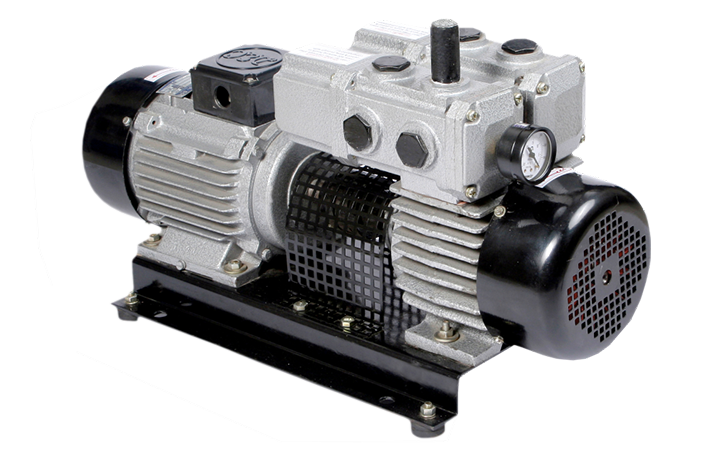 | Dry Vacuum Pumps Kalbro Manufacturing Co. has gained a distinctive position in the market as appreciable Dry Vacuum Pumps manufacturers, suppliers & exporters based... View product → |
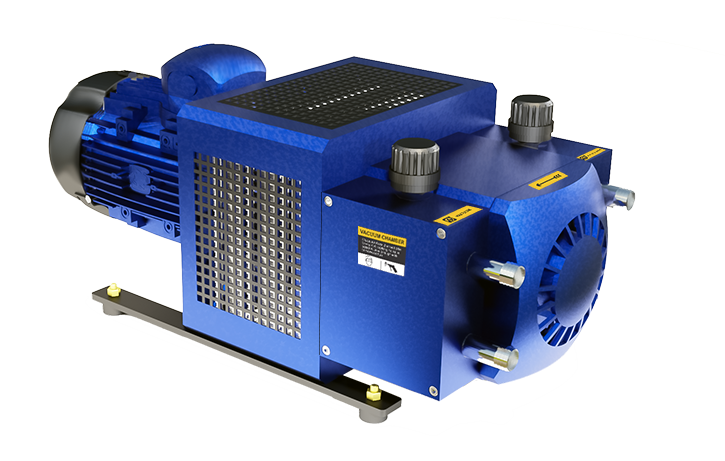 | Dry Vacuum Pressure Pumps Kalbro Manufacturing Co. has been appreciated in the international market as leading Dry Vacuum Pressure Pumps manufacturers, suppliers & exporters. View product → |
Frequently asked questions
What ambient temperature should you use when selecting a dry vacuum pump for Faridabad summer?
Use 40°C ambient as the design boundary unless the selected pump datasheet explicitly permits a higher temperature.
How do you match a dry vacuum pump to the actual process duty?
Compare ultimate pressure, required flow at working pressure, operating hours, gas composition, inlet conditions and condensable load.
What installation details matter for dry vacuum pump operation in hot weather?
Check ventilation, room temperature, motor rating, enclosure protection, inlet pipe size, filtration, exhaust routing and service access.
How can you protect an oil-free vacuum pump from dust and condensables?
Install suitable inlet filtration and separators, control vapour entry, provide drainage, clean filters on schedule and keep the pump room ventilated.
Related product
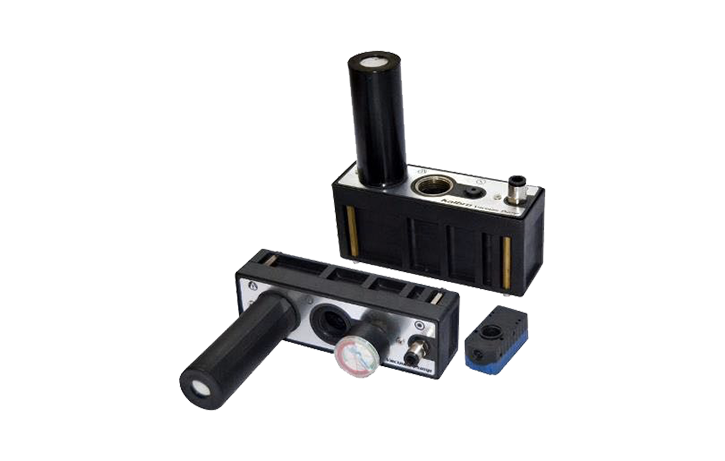 | Compressed Air Driven Vacuum Pumps Compressed Air Driven Vacuum Pumps Kalbro Manufacturing Co. is a trusted Compressed Air Driven Vacuum Pumps manufacturers, suppliers & exporters. View product → |
Keywords